
Riparian water rights are the legal rights of landowners whose property touches a natural body of water — such as a river, stream, or lake — to make reasonable use of that water.
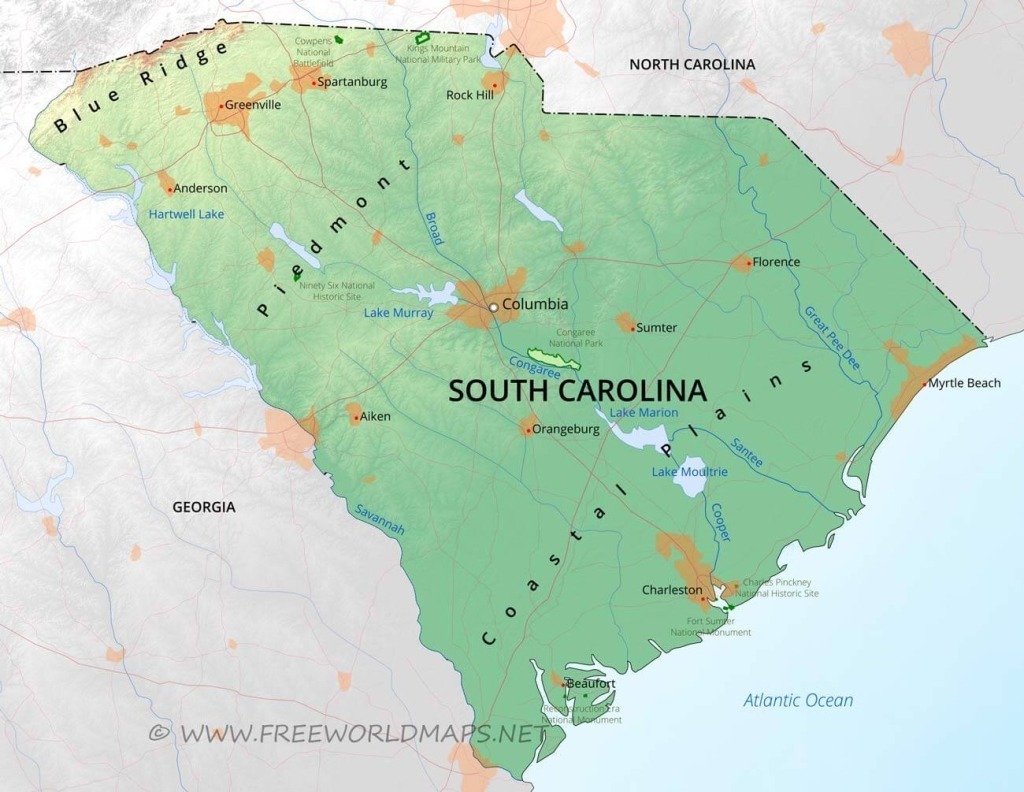
In South Carolina, riparian rights apply to properties along rivers and natural lakes. For buyers around Lake Marion, however, things get more complex. Because Lake Marion is a man-made reservoir managed by Santee Cooper and overseen by the Army Corps of Engineers, riparian rights are not absolute. Instead, property owners may have permitted use rights for docks, shoreline maintenance, and access.
Put simply: owning waterfront property doesn’t automatically give you unlimited control of the water. You have rights, but they’re shared, regulated, and subject to permits.
Origins and Purpose of Riparian Rights
Riparian rights come from old English common law and were adopted in many U.S. states, including South Carolina.
Core principles of riparian rights:
- Access – Owners have the right to reasonably access and use the water.
- Use – Owners may use water for domestic, agricultural, or recreational purposes.
- Shared Rights – All riparian owners share water use; no one may unreasonably interfere with others.
- Preservation – Owners can’t pollute or alter the water in ways that harm others’ rights.
These principles were designed to balance private ownership with the public good, ensuring no single owner monopolizes a shared waterway.
Riparian Rights in South Carolina
In South Carolina, riparian rights exist but are modified by state and federal law. Key points:
- Navigable Waters: Owners have access but not exclusive control; water remains public.

- Non-Navigable Waters: Owners may have more private control (rare around Lake Marion).
- Lake Marion Specifics: Managed by Santee Cooper; docks, seawalls, and shoreline use require permits.
- Army Corps of Engineers: Oversees environmental protections and waterway management.
Example: A homeowner may have the right to build a dock, but only after securing a Santee Cooper shoreline permit. Without it, construction could be stopped or removed.
What Riparian Rights Typically Include
For South Carolina property owners, riparian rights often include:
- Right of Access – Walking to and from the water from your property.
- Right of Reasonable Use – Swimming, boating, and fishing for personal use.
- Right to Build Structures (With Permits) – Docks, piers, and boat lifts may be allowed.
- Right to Protect Shoreline – Erosion control measures like riprap (if approved).
- Right to Enjoy Scenic Views – Protecting from unreasonable obstruction.
Important: Rights do not mean ownership of the water itself — only the reasonable use of it.

Limitations on Riparian Rights
Riparian rights are not unlimited. Limitations in South Carolina include:
- Permits Required – Docks, seawalls, and alterations need approval.
- Environmental Restrictions – No damaging wetlands or habitats.
- Shared Use – Neighbors have equal rights; you can’t block access.
- Public Trust Doctrine – Navigable waters remain public property.
- HOA & Covenant Rules – Some Lake Marion communities impose stricter controls on docks, rentals, or shoreline use.
Example: A homeowner installed a seawall without first obtaining the required permits. Local authorities later ordered its removal at the owner’s expense.
Why Riparian Rights Matter for Lake Marion Buyers & Sellers
Understanding riparian rights is crucial because:
- For Buyers: Waterfront value depends on dock rights and access. A home without proper permits may be worth less.
- For Sellers: Buyers will ask about riparian rights, dock permits, and shoreline rules during due diligence.
- For Investors: Rental potential often hinges on water access. Limited rights can reduce rental appeal.
Example: A property listed as “dock-ready” had no actual dock permit. Buyers backed out after learning they’d need approval before building, delaying the sale.
How Carolina Properties Helps With Riparian Rights
At Carolina Properties at Lake Marion, we understand the complexities of riparian rights. Our team:
- Reviews dock permits and shoreline use rules before you make an offer.

- Works with attorneys and Santee Cooper to verify compliance.
- Explains how HOA covenants interact with riparian rights.
- Helps sellers present clear information about water access to attract serious buyers.
- Protects buyers from investing in “waterfront” homes with limited or no usable rights.
FAQ: Riparian Water Rights
Q: Do I automatically get a dock if I buy lakefront property?
No. You must apply for a dock permit, and not all properties qualify.
Q: Who owns Lake Marion?
The lake is managed by Santee Cooper and regulated by state and federal agencies. The water itself is public.
Q: Can riparian rights be sold separately from the land?
Generally, no. They are tied to the property deed.
Q: Do I own the land under the water?
No. Riparian rights grant use of the water but not ownership of the waterbed.
Q: Can HOAs restrict my riparian rights?
Yes, they can impose additional rules about docks, shoreline use, or rentals.
Q: What happens if I violate riparian rules?
Unpermitted docks or structures can be removed, and fines may apply.
Work With Carolina Properties to Secure Your Waterfront Rights
Waterfront living is the dream — but only if your rights are clear and protected. At Carolina Properties at Lake Marion, we:
- Ensure buyers know exactly what riparian rights they’re getting
- Help sellers present dock permits and shoreline rules upfront
- Guide you through the permit process with Santee Cooper
- Protect your investment from costly mistakes or disputes
Don’t assume “waterfront” means “unlimited rights.” With the right team, you’ll buy or sell with confidence.
Call Carolina Properties Today to get expert guidance on riparian rights at Lake Marion.