
A title search is the process of reviewing public records to confirm a property’s legal ownership and to uncover any issues — like liens, unpaid taxes, easements, or ownership disputes — that could affect the sale.
In South Carolina, every real estate closing must be handled by an attorney. As part of that process, the attorney (or a title company working with them) conducts a title search to ensure the seller has the legal right to sell the property and that the buyer will receive clear, marketable title.

Without a clean title, a buyer could face costly surprises — like inheriting a previous owner’s debt or fighting a boundary dispute. That’s why a title search is one of the most critical steps in buying or selling a home.
Why Title Searches Are So Important in South Carolina
South Carolina is an attorney closing state, which means a licensed attorney must oversee every real estate transaction. Title searches are required because they:
- Verify Legal Ownership – Confirms the seller has the right to transfer property.
- Reveal Liens & Mortgages – Identifies unpaid debts tied to the property.
- Identify Easements – Shows if others have rights to use part of the property (like utility access or shared driveways).
- Protect Buyers & Lenders – Ensures lenders won’t finance a property with ownership disputes.
- Avoid Legal Disputes – Prevents future lawsuits over property rights.
Example: A buyer discovered through a title search that a tax lien from a previous owner was still attached to the home. Because the issue was caught early, it was resolved before closing.
What Does a Title Search Look For?
A title search reviews multiple public records. Here’s what’s checked:
- Chain of Title – History of ownership transfers over time
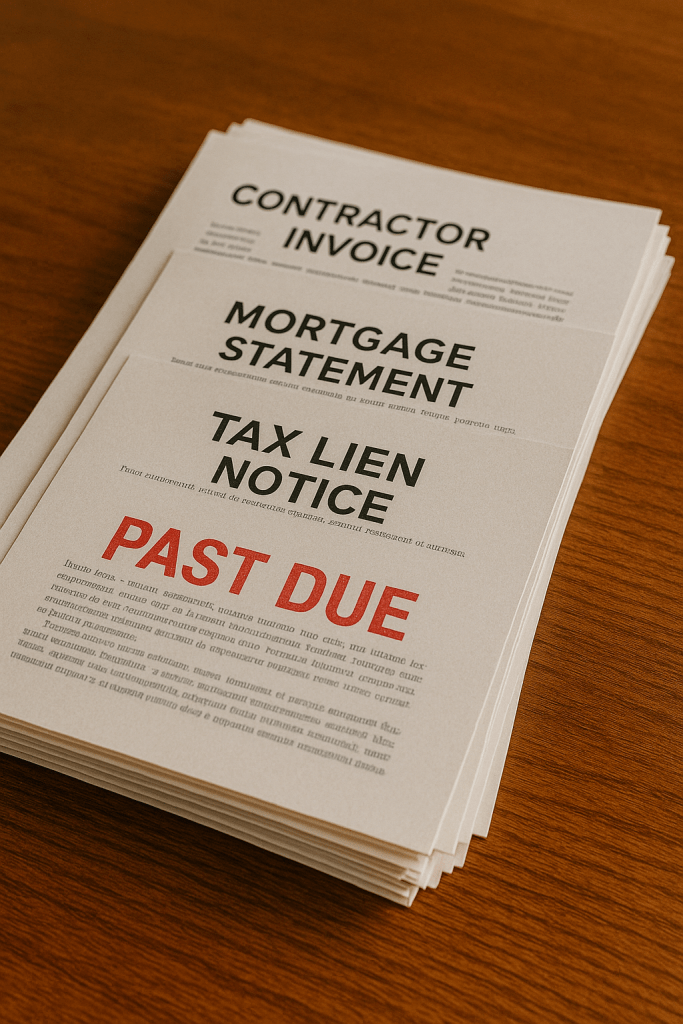
- Liens – Unpaid debts like contractor bills, mortgages, or tax liens
- Judgments – Court rulings that could attach to the property
- Easements – Rights of access for neighbors, utilities, or shared docks
- Encroachments – When structures cross property lines
- Covenants & Restrictions – HOA rules or deed restrictions that affect use
- Pending Litigation – Ongoing lawsuits that may impact ownership
Why it matters near Lake Marion: Waterfront homes often involve dock permits, shared access agreements, or Army Corps of Engineers easements. These all show up in a title search and can dramatically affect property value and use.
What Could Go Wrong Without a Title Search?
Skipping or rushing a title search could leave buyers exposed to serious problems:
- Hidden Liens: You could be forced to pay off debts left by a prior owner.
- Boundary Disputes: Neighboring owners may claim part of your land.
- Fraud & Forgery: Past fraudulent deeds could challenge your ownership.
- Inheritance Claims: A missing heir could later claim rights to the home.
- HOA Restrictions: Unpaid dues or strict covenants could surface after closing.
Example: A buyer almost closed on a property until a title search revealed an unresolved mortgage from the 1990s. Without the search, the buyer could have inherited a $40,000 problem.
How Title Insurance Works With a Title Search
A title search finds existing issues. Title insurance protects against future claims that weren’t discovered during the search.
- Owner’s Title Insurance – Protects the buyer from ownership disputes.
- Lender’s Title Insurance – Required by most lenders to protect their loan.

Even with a thorough search, mistakes happen — documents may be misfiled, or forgery may go undetected. Title insurance ensures buyers won’t lose their home or face massive legal bills over hidden issues.
How Carolina Properties Helps With Title Searches
At Carolina Properties at Lake Marion, we know that title issues can make or break a deal. That’s why we:
- Partner with trusted local attorneys who perform detailed title searches
- Explain the findings in plain language
- Advise on whether liens, easements, or restrictions are deal-breakers
- Ensure buyers are protected with the right title insurance policy
- Help sellers clear up issues before listing to avoid closing delays
With our team on your side, you won’t be left in the dark about the legal side of your transaction.

FAQ: Title Searches in Real Estate
Q: Who pays for the title search in South Carolina?
Typically the buyer, but costs can be negotiated in the contract.
Q: How much does a title search cost?
Usually $300–$600 depending on complexity.
Q: How long does a title search take?
On average, 7–14 days. More complex histories may take longer.
Q: Can a sale close without a title search?
Not in South Carolina — attorneys must verify ownership before recording a deed.
Q: Do I need title insurance if a title search was done?
Yes. Insurance covers hidden issues that may not appear in the search.
Q: What happens if a lien is found?
The seller must resolve it before closing, either by paying it off or negotiating a settlement.
Work With Carolina Properties for a Clear Title and Smooth Closing
Buying or selling a home isn’t just about the price — it’s about making sure the ownership is secure. At Carolina Properties at Lake Marion, we:
- Coordinate with skilled local attorneys for thorough title searches
- Spot red flags early so you don’t waste time or money
- Guide you through complex issues like liens, easements, or shared lakefront access
- Ensure your closing is smooth, secure, and free of surprises
Don’t risk your investment with a rushed or incomplete title search.
Call Carolina Properties Today to protect your real estate transaction with expert guidance.